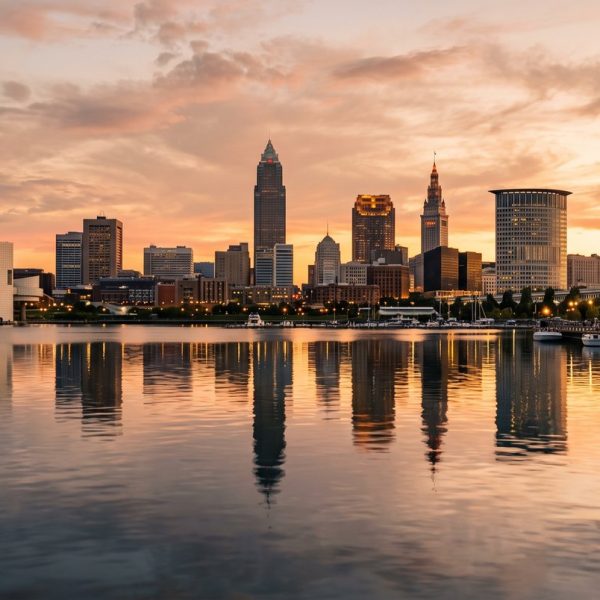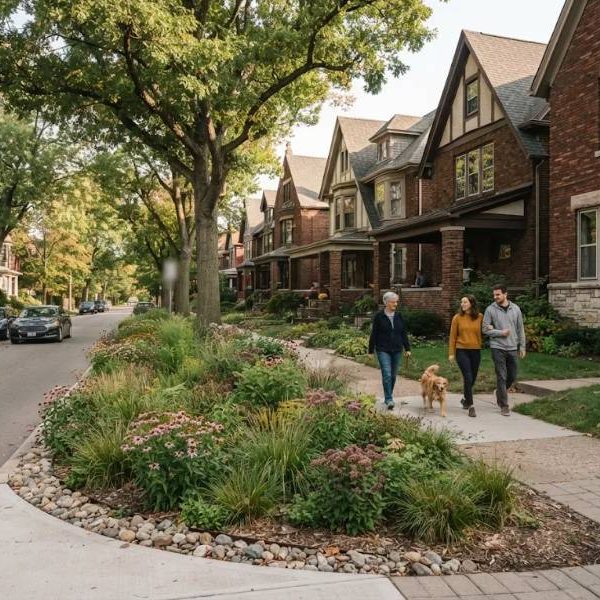
Climate change does not arrive evenly. A heavy storm floods one street and spares the next. A heat wave is dangerous for an older resident in a top floor apartment and barely noticed by someone in an air conditioned office. For cities on the Great Lakes, such as Cleveland, the most effective responses start at the neighborhood scale, where people know their streets, neighbors and risks.
Here is what resilience looks like when it is built from the ground up.
What Climate Resilience Means
Resilience is the ability of a community to absorb shocks, recover quickly and adapt over time. It includes physical systems, such as drainage and buildings, and social systems, such as neighborly support, trusted information and local institutions. A resilient neighborhood is one where people know what to do when conditions change and where help reaches everyone.
The Local Risks
For northeast Ohio, the main concerns include more intense rainfall, flooding, extreme heat, shoreline erosion and winter storms that swing between freezing and thaw. Older housing stock, aging sewers and large areas of paved surface raise the stakes. The US Environmental Protection Agency offers a clear overview of how communities can plan, with guidance on climate adaptation and resilience for local governments and residents.
Green Infrastructure Works Quietly
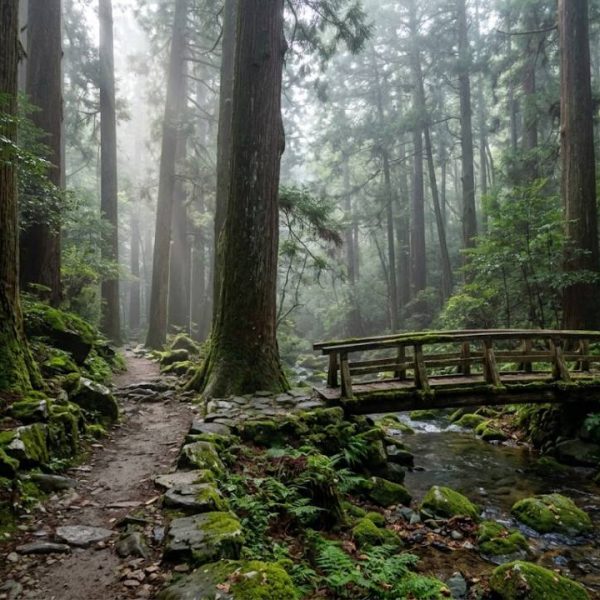
Rain gardens, bioswales, permeable pavement, street trees and restored wetlands soak up water where it falls. They reduce flooding, filter pollution and cool the air. Every vacant lot turned into a garden or a stormwater park is a small piece of public infrastructure.
Trees deserve special mention. A mature canopy can lower summer temperatures by several degrees, cut energy bills and make streets more pleasant. Neighborhoods with fewer trees tend to be the hottest, so planting programs focus on those areas first.
Homes and Energy
Weatherization lowers heating and cooling costs, and it keeps homes safer during extreme temperatures. Insulation, air sealing, efficient heat pumps and rooftop solar reduce both bills and emissions. Programs that help low income households pay for upgrades make resilience a matter of fairness as well as engineering.
Heat and Health
Heat is the leading weather related killer in many places. Cooling centers, check in calls for older residents, shaded bus stops and public water fountains save lives. Local health departments can map the most vulnerable blocks and send alerts. Neighbors who knock on doors during a heat wave are an invaluable part of the system.
Communicating With Everyone
Plans work only when people hear about them. Cleveland is home to residents who speak Spanish, Arabic, Nepali and many other languages at home. Flood warnings, cooling center locations and grant programs need to be available in those languages, through trusted community channels. Professional Spanish translation services can help local groups prepare accurate notices and workshop materials for Spanish speaking residents.
Meetings That Include Everyone
Public meetings are where decisions are shaped. Offer interpreters, translated agendas and childcare so more people can take part. If you plan an event and are unsure which service you need, this explanation of interpreter vs translator clarifies the difference between live interpretation and written translation.
Community Led Projects
Community gardens, tool libraries, rain barrel programs and neighborhood emergency teams all strengthen resilience. They also strengthen relationships, which turn out to be the most reliable form of protection during a crisis. Support from city agencies, universities and foundations can make small projects grow.
Preparing for Floods at Home
Basements and low lying streets are most at risk. Move valuables and electrical equipment off the floor, install a backflow valve where advised and keep sandbags or flood barriers if your block is prone to water. Know where your utility shutoffs are, and keep important documents in waterproof bags. Photograph your belongings for insurance purposes, since claims after a flood move faster with clear records.
Emergency Kits and Communication Plans
Keep a kit with water, nonperishable food, medication, a flashlight, batteries, a charger and copies of identification. Agree on a family meeting place and an out of town contact. Share the plan with neighbors who may need extra help, including older adults, people with disabilities and anyone who does not speak English fluently.
Funding and Policy
Federal and state programs offer grants for stormwater, energy efficiency and hazard mitigation. Local governments can update zoning and building codes to encourage green infrastructure and discourage development in flood prone areas. Residents can attend council meetings, submit comments and join advisory groups.
Learning From Other Cities
Cities around the Great Lakes share similar challenges, from combined sewers to lake effect storms. Exchanging lessons with Chicago, Milwaukee and Toronto helps avoid repeated mistakes and speeds up good ideas.
Measuring Progress
Useful indicators include tree canopy cover, volume of stormwater captured, number of homes weatherized, response times after storms and the share of residents who feel prepared. Publishing the numbers openly builds trust and shows which neighborhoods still need attention.
What You Can Do Now
Sign up for local alerts, learn your flood risk, clear storm drains near your home, plant a native tree and talk with neighbors about who might need help. Small steps, repeated across thousands of households, make a city far more prepared for the years ahead.