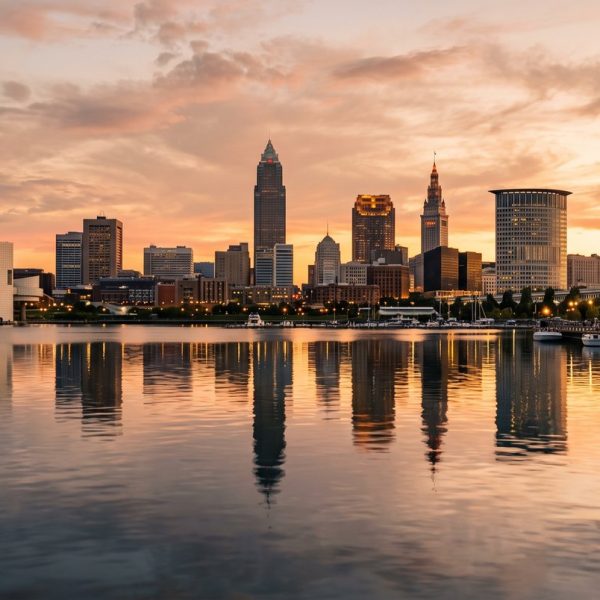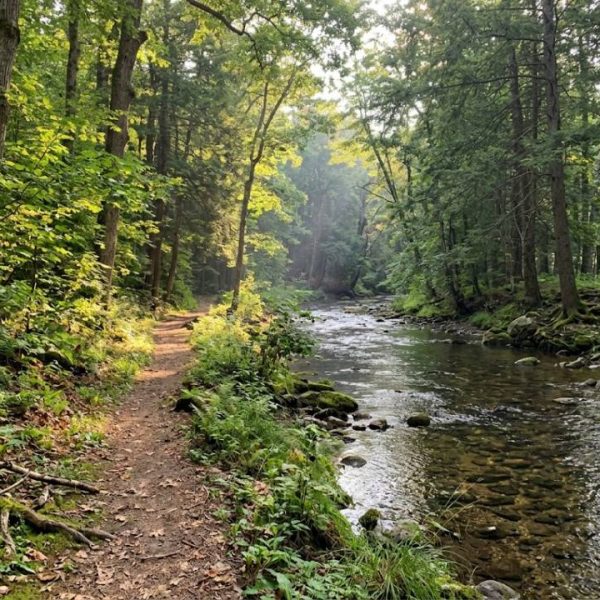
Cities are often pictured as concrete and traffic, yet they depend on living systems. Trees cool streets, rivers carry water and wildlife, and neighbors turn green spaces into places of belonging. A resilient city treats all three as part of its infrastructure.
This article looks at practical ways to build resilience with nature, and how inclusive communication helps every resident take part.
Trees Cool the Streets
Shade from mature trees can lower temperatures on hot days and reduce the energy needed for air conditioning. Leaves also catch dust and soak up rain.
Planting the right species in the right place makes a lasting difference. A tree planted today works for generations.
Choose Native and Diverse Species
Native trees support local insects and birds, and a mix of species protects the neighborhood if disease strikes one type.
Ask local nurseries and forestry experts which trees thrive in your soil and climate.
Give Rain Somewhere to Go
Hard surfaces send rainwater rushing into drains, which can cause flooding and carry pollution into rivers. Rain gardens, green roofs and permeable paving let water soak in slowly.
Even a small garden bed that collects roof water helps the whole street.
Look After Rivers and Shorelines
Healthy rivers support fish, birds and recreation. Reducing litter, planting buffers along banks and cleaning storm drains keeps water clean.
Cleanup days bring people together and show how small actions add up.
Learn From Environmental Agencies
Public agencies share practical guidance for households and groups. The U.S. Environmental Protection Agency publishes tips on water quality, waste reduction and community projects.
Use such resources to plan projects that are safe, legal and effective.
Create Pocket Parks and Community Gardens
Empty lots can become small parks or gardens that feed families and bring neighbors together. They also add habitat for pollinators.
Start with a clean-up and a simple plan, then build gradually with volunteers and local support.
Protect Wildlife Corridors
Birds, bees and small animals need connected green spaces to move and feed. Tree-lined streets, backyard gardens and river paths all help.
Reduce pesticide use and leave a few wild corners where native plants can grow.
Invite Every Resident to Participate
Environmental projects work best when everyone has a voice. Residents who speak different languages often hold valuable local knowledge and strong community networks.
Invitations, signs and instructions should be offered in the languages spoken on the street.
Reach Hmong Speaking Neighbors
Hmong communities in several US cities have a deep tradition of gardening and farming. A careful english to hmong translation of flyers, permit information and volunteer forms helps these families join community projects with confidence.
Work with community leaders to review materials, since wording and images should feel natural and respectful.
Respect Local Traditions
Gardens, festivals and shared meals carry meaning for the people who created them. Listening before planning helps avoid mistakes and builds trust.
Learning about cultural customs helps organizers choose dates, foods and greetings that welcome everyone.
Teach Children Through Nature
School gardens, tree planting days and river walks help children understand how ecosystems work. They also build a sense of responsibility.
Invite families to join, and share simple activities that children can repeat at home.
Prepare for Extreme Weather
Heat waves, storms and floods are becoming more frequent in many places. Green spaces reduce their impact, and community plans help people respond.
Check on elderly neighbors, share emergency contacts and know where cooling or shelter spaces are located.
Use Volunteers Wisely
Volunteers bring energy and skills. Give them clear roles, safety instructions and a chance to learn new things.
Thank them publicly and share the results of their work, such as trees planted or bags of litter collected.
Measure and Share Progress
Count trees, check water quality and track volunteer hours. Simple numbers help groups see what works and attract new supporters.
Post updates on notice boards and social media, with photos that show real change.
Support Local Businesses and Schools
Shops, cafes and schools can host rain barrels, plant trees and display information about local nature. Their visibility reaches families who might not attend a meeting.
Partnerships with organizations that already have trust in the neighborhood bring faster results.
Keep Streets Clean and Safe
Regular litter pick-ups, well lit paths and maintained benches make green spaces inviting. People use parks that feel cared for, and busy parks are safer for everyone.
Report broken lights, blocked drains and overgrown paths to the city so that problems are fixed early.
Save Water at Home
Fix leaks, install efficient fixtures and water gardens in the evening. Collecting rain in barrels gives plants a free supply and eases pressure on drains.
Every household that saves water helps the river downstream.
Share Stories of Local Nature
Residents love stories about the heron on the riverbank or the oak that survived a storm. Share photos and memories on a community board or newsletter.
Stories build pride, and pride builds protection.
Final Thoughts
A resilient city grows from trees, clean rivers and connected neighbors. Each part supports the others, and each needs people who care enough to act.
Start small, include every language on your street and keep going. Green spaces built together become places that people protect together.